
Uncategorized
How to Choose a Property for Rental Income
A
admin_xbrick
Real Estate Expert
23 Sep 2026
8 min read
Buying a property and earning rent from it sounds like a pretty simple idea. You buy a flat or house, find a tenant, collect rent every month, and hopefully see the property become more valuable over the years.
But anyone who has actually dealt with rental property knows there is more to it than that.
The property you buy matters. So does the neighborhood, the kind of tenants living there, the rent you can realistically charge, and the money you will have to spend after buying it.
A property can look fantastic when you walk through the front door and still turn out to be a difficult rental. On the other hand, a fairly ordinary-looking apartment in the right location can attract tenants again and again.
If you are considering buying a property for rental income, here are some things worth thinking about before you make the commitment.
Start With the Neighborhood
Before you get too excited about the apartment itself, take a good look at where it is.
This is something first-time property buyers sometimes overlook. They spend hours comparing kitchens, balconies, floor plans, and paint colors, but forget that tenants are also choosing the neighborhood.
Think about everyday life. Is there public transport nearby? How long would it take to get to the main business areas? Are grocery stores, pharmacies, schools, hospitals, restaurants, and other useful places within easy reach?
It is also worth visiting the area at different times. A neighborhood that feels peaceful on a Sunday afternoon might be completely different on a Monday morning.
Put yourself in a tenant’s shoes for a moment. If you were paying rent here every month, would the location make your life easier or harder?
That question can tell you quite a lot.
Think About Your Likely Tenant
You do not need to know exactly who will rent the property, but having an idea of your target tenant helps.
For example, a compact apartment near colleges might attract students or young renters. A property close to an office or business district could appeal to working professionals. A larger apartment in a quieter neighborhood might be more suitable for families.
The important thing is to match the property with the people who actually live and work in that area.
There is not much point buying a large, expensive home if most renters nearby are looking for smaller and more affordable apartments.
Find Out What People Are Actually Paying
This is where some basic research can save you from an expensive mistake.
Before buying, check rental listings for properties similar to the one you are considering. Look at homes with similar sizes, locations, bedrooms, and facilities.
Also, speak to local property agents if you can. They may have a better idea of what tenants are actually agreeing to pay.
Be careful with advertised rents, though. An owner might list a property at ₹30,000 a month, but that does not necessarily mean someone will pay ₹30,000.
Try to work with realistic numbers.
For example, suppose a property costs ₹60 lakh and you believe you can rent it for ₹20,000 a month. That gives you ₹2.4 lakh in gross rent over a year.
You can get a rough idea of the gross rental yield by dividing the annual rent by the property price and multiplying by 100.
In this case:
₹2.4 lakh ÷ ₹60 lakh × 100 = 4%
That number is useful, but it is not your actual return. There are still plenty of costs to consider.
Do Not Treat Rent as Pure Profit
This is probably one of the biggest things new landlords learn after buying their first property.
The rent that arrives in your bank account is not necessarily the money you get to keep.
There may be maintenance charges, property taxes, repairs, insurance, management fees, and other expenses. If you have a home loan, there will also be interest and other borrowing costs.
Then there is the occasional expense that nobody plans for. A tap starts leaking. An appliance stops working. The apartment needs painting after a tenant leaves.
These things are part of owning rental property.
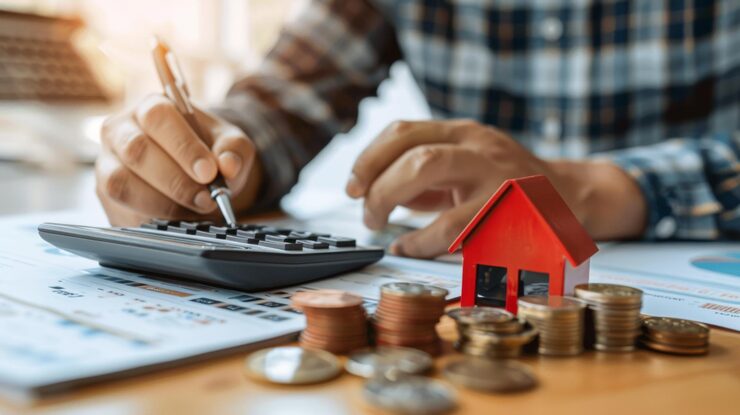
Before you buy, make a simple calculation of your expected income and expenses. Even a basic spreadsheet can help you see whether the numbers are comfortable or whether you are stretching your budget too far.
Look for a Property Tenants Will Want
You do not necessarily need the fanciest apartment in the building.
In fact, spending a lot on features that tenants do not really value can work against you.
Think about what people in that particular area are looking for.
Maybe parking is important because most residents have cars. Perhaps a balcony matters because smaller apartments in the area are popular with young professionals. Families might care more about an extra bedroom, nearby schools, and a quiet environment.
A property does not have to be luxurious. It needs to be practical.
A clean, comfortable home in a convenient location can sometimes be much easier to rent than an expensive property filled with features that few tenants actually need.
Take a Proper Look at the Property
Never rely entirely on photographs.
Photos are useful for narrowing down your choices, but you need to see the property yourself before making a serious decision.
Look beyond the obvious things. Check for damp patches, leaking pipes, poor electrical work, cracked walls, damaged flooring, and problems with doors and windows.
Turn on taps. Check water pressure. Look at the bathrooms carefully. Ask about maintenance and previous repairs.
If the building is older, find out whether major work is expected soon.
If you are not confident about spotting problems, getting a professional inspection can be money well spent. Finding an expensive problem before buying is much better than discovering it after you become the owner.
Remember That Empty Months Cost Money
A rental property only earns rent when someone is actually renting it.
If the apartment stays empty for two or three months, you may still have loan payments, maintenance charges, taxes, and other bills.
That is why vacancy matters when comparing properties.
Ask local agents how quickly similar homes usually get rented. Find out whether demand is steady throughout the year or changes with the season.
You may discover that the apartment offering the highest possible rent is not necessarily the easiest one to keep occupied.
For your calculations, it is safer to allow for some vacancy rather than assuming a tenant will always be there.
Look Beyond Today
When you buy property, you are usually making a long-term decision.
So take a look at what is happening around the neighborhood. Are roads improving? Is public transport expanding? Are new offices, schools, hospitals, or shopping areas being developed?
These changes can affect how attractive an area becomes.
At the same time, do not believe every exciting story you hear from a property salesperson. A promised metro line or business park may take years to arrive, or plans may change.
If future development is an important reason for buying, check the information yourself through reliable sources.
Pay Attention to the Small Things
Sometimes the little details are what make a rental property easier to live in.
Good security, working elevators, reliable water supply, parking, power backup, clean common areas, and decent building maintenance can all make a difference.
Think about your future tenant. They are not just looking at the apartment. They are imagining what their daily life will be like.
If everyday life seems convenient, they are more likely to be interested.
Do Not Skip the Legal Checks
A property can have excellent rental potential and still be a poor purchase if there are problems with the paperwork.
Before paying a significant amount of money, make sure the ownership and relevant documents are properly checked.
Depending on the property, you may need to look at title documents, tax records, approvals, building permissions, and other legal paperwork.
If you are buying an apartment, check whether there are unpaid maintenance charges or other outstanding dues.
For a major investment, getting advice from a qualified property lawyer can be a sensible step. It may cost something upfront, but it can help you avoid much bigger problems later.
Think About Your Own Goal
Finally, ask yourself why you are buying the property.
Do you mainly want monthly rental income? Are you hoping the property will increase in value too? Do you plan to hold it for five years, ten years, or much longer?
Your answer can change the type of property that makes sense for you.
And try not to let emotions take over. It is perfectly fine to like a property, but you should not buy it simply because you love the kitchen or the view.
At the end of the day, the numbers still matter.
Final Thoughts
Choosing a rental property is not about finding the most beautiful house or the newest apartment.
It is about finding a property that people want to rent, in a location that makes sense, at a price that fits your finances.
Take your time. Look at several properties. Talk to local people. Check realistic rental prices. Work out the expenses. Inspect the property properly and make sure the paperwork is in order.
Most importantly, do not rush because someone tells you that another buyer is waiting.
A good rental investment should make sense even after you have taken a step back and looked at it calmly. Do your research first, and let the numbers and practical facts guide your decision.
Related Articles